
REAL ESTATE SYNDICATION
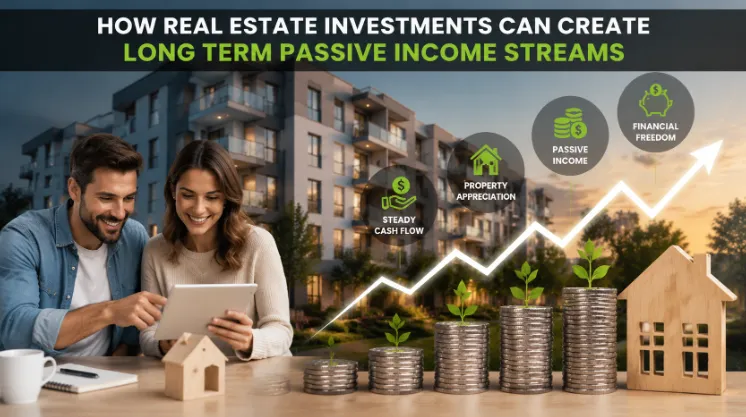
How Real Estate Investments Can Create Long Term Passive Income Streams
The quest for financial freedom has led countless investors to explore real estate as a viable pathway to wealth creation.
Mailbox Money Team • ≈ 8 min read • Investor Education / Real Estate Syndication
Real estate is one of the few asset classes that can pay you in multiple ways at once. You can earn ongoing rental income. You can benefit from long run appreciation. You can reduce taxable income through depreciation. You can also build equity as debt is paid down over time. That mix is why many investors treat real estate as a foundation for long term wealth building.
The approach highlighted by Mailbox Money focuses on making ownership feel more passive for investors while still pursuing durable fundamentals like cash flow and long run value creation. The site also makes an important point that no investment is fully hands off. The goal is to reduce day to day effort while keeping the strategy disciplined and investor aligned.
Why passive income from real estate can last for decades
Passive income is easiest to sustain when the underlying asset solves a real problem. Housing demand remains anchored by household formation affordability constraints and mobility trends. In 2026 housing economists have pointed to improving affordability if mortgage rates fall and to a potential rebound in transactions as rates ease. That matters because healthier transaction volume tends to support price discovery and long run market stability.
At the same time rental demand can stay strong even when buying becomes slightly easier. Property management research in 2026 points to rent growth returning to a more normal range as new apartment supply slows. It also notes single family rent growth outpacing multifamily in some forecasts which reinforces the value of owning assets that serve renters who are not ready to buy.
The three engines of long term returns
The primary advantage of multifamily real estate is the consistent cash flow it generates. With multiple units producing rental income, investors enjoy steady revenue streams even when vacancies occur. This risk distribution is particularly valuable during economic uncertainties, as losing one tenant doesn't eliminate your entire income source.
Market stability is another compelling factor. Housing remains a fundamental human need, and rental demand persists regardless of economic conditions. Multifamily properties, especially in growing urban areas, benefit from continuous demand driven by population growth, urbanization trends, and changing demographics. Many young professionals and families prefer renting over homeownership, creating sustained demand for quality rental units.
Tax advantages further enhance the attractiveness of multifamily investments. Property owners can deduct numerous expenses including mortgage interest, property taxes, insurance, maintenance costs, and depreciation. These deductions significantly reduce taxable income, allowing investors to retain more of their earnings. Advanced strategies like 1031 exchanges enable investors to defer capital gains taxes when selling one property and reinvesting proceeds into another, compounding wealth over time.
Property appreciation represents another pathway to wealth building. Well-maintained multifamily properties in desirable locations typically experience value appreciation over time. This appreciation, combined with rental income and mortgage paydown through tenant rent payments, creates multiple wealth-building mechanisms working simultaneously.
Getting Started: Entry Points for Beginners
Cash flow that can grow over time
Cash flow starts with rent minus operating expenses minus debt service. Over time it can expand through rent growth and operational improvements. In a higher for longer rate environment many industry leaders expect outperformance to come more from income growth and operations than from cap rate compression. That pushes investors toward better underwriting and active asset management even when they want passive ownership.
If you want practical ideas for building durable cash flow you can review this internal guide on passive income real estate investing. It covers multiple routes including rentals REITs and private deals. Source
Appreciation that compounds quietly
Appreciation is the long game. It is influenced by local job growth supply constraints zoning and the quality of the asset. New development can offer additional control over design and tenant experience which can support long run rent resilience. Mailbox Money emphasizes building communities with a focus on quality and tenant experience as part of its value creation approach.
Principal paydown that builds equity automatically
Even if values stay flat equity can rise because tenants effectively help pay down the loan. Each payment reduces principal. Over years this can become a major contributor to net worth. Many investors miss this because they only look at monthly cash flow. Long term passive income planning should treat equity growth as part of the payout even if it is realized at refinance or sale.
Tax advantages that can boost net returns
Real estate can be tax efficient because depreciation can offset income. In 2026 the IRS released interim guidance tied to permanent 100 percent bonus depreciation under Section 168k under Public Law 119 21. The guidance explains how taxpayers should apply existing regulations with updated timing rules and highlights planning tools like the component election for self constructed projects. This matters because accelerated deductions can improve early year cash flow at the investor level depending on your situation. Always discuss with a qualified tax professional.
Choosing the right structure for passive ownership
Direct ownership
Direct ownership can provide control and flexibility. It can also require more active involvement even with property management. It is best for investors who want to learn the business and are comfortable with tenant and maintenance risk.
Funds and REITs
REITs and real estate funds can offer diversification and liquidity. They can also introduce market volatility and less control over timing.
Syndication and private placements
Syndications can let you invest passively alongside an experienced sponsor. They often target larger assets like multifamily where professional management and scale can improve efficiency.
If you are exploring real estate syndication investment opportunities this beginner focused overview explains the core benefits including professional management diversification and potential tax advantages.
In the United States many syndications rely on securities exemptions. The SEC explains that Rule 506b allows unlimited capital raised with unlimited accredited investors plus up to 35 non accredited investors who meet sophistication standards. It also prohibits general solicitation and advertising and requires Form D filing.
For 506c offerings which allow general solicitation accredited verification rules can matter. A 2025 SEC no action letter described conditions where self certification may satisfy verification when investment minimums are high and specific representations are provided. Sponsors should consult counsel because no action letters are fact specific and not a blanket rule change.
A simple path to get started in 2026
Start with your goal. Do you want monthly income, later wealth or both? Then pick a lane that matches your time and risk tolerance. If you want a roadmap for beginner friendly steps on how to invest in real estate for passive income focus on three habits. Underwrite conservatively. Prefer markets with durable renter demand. Build a long term plan for financing and reserves.
Visual resources you can review
Video to learn more about real estate cash flow thinking for 2026
Conclusion
Real estate can create long term passive income streams when you align three drivers. Stable cash flow that can grow. Long run appreciation based on fundamentals. Equity growth through principal paydown. In 2026 many forecasts emphasize operations and income discipline in a rate sensitive market while rental demand stays supported. Investors who combine conservative underwriting with tax aware planning and the right ownership structure can build income that lasts for decades.
CLARITY BEFORE YOU COMMIT
Frequently Asked Questions
Can I invest passively if I'm still actively running my business?
Absolutely. Passive investing through Awesome ROI requires no day-to-day involvement from you. Our team manages all operations, reporting, and distributions so you can stay focused on your business.
What types of assets does Awesome ROI offer to entrepreneurs?
We offer opportunities across commercial real estate, hospitality, RV parks, wholesale distribution, and retail properties — all actively managed by our in-house team.
How are returns distributed to investors?
Depending on the offering, distributions are made monthly or quarterly, providing a reliable and consistent passive income stream.
Is this suitable for first-time passive investors?
Yes. Whether you're new to passive investing or an experienced investor diversifying your portfolio, our team provides full guidance and transparent reporting every step of the way.
What makes Awesome ROI different from other investment platforms?
We don't just connect you to deals — we operate them ourselves. Our hands-on management approach ensures every asset is optimized for maximum returns, with our interests fully aligned with yours.
INVESTOR INSIGHT
The true measure of an asset's resilience is tested not during market peaks, but through its stability in economic troughs.
When evaluating potential acquisitions, prioritize consistent cash flow histories and downside protection over speculative appreciation projections. A disciplined underwriting process is your strongest defense against market volatility.
Talk with a Mailbox Money Investor Specialist
Schedule a brief, educational consultation to discuss our core investment process. We will evaluate your risk tolerance and determine if our specific approach aligns with your long-term financial goals. There is no pressure to commit, just a clear overview of how it works.

TAKE THE NEXT STEP
Explore Real Estate Opportunities With an Operator-Led Team
Partner with experienced operators focused on long-term wealth preservation and passive income generation. We align our strategies with your goals, actively managing assets while prioritizing downside protection and risk mitigation.
Investments in real estate involve risks, including the potential for illiquidity and loss of principal. No guarantees of passive income or future returns are expressed or implied.
Mailbox Money helps create generational wealth for our accredited investors while solving the affordable housing crisis by developing workforce housing in stable Midwest markets.
Quick Links
Contact
Mailbox Money
120 S Main Ave
Brookings, SD 57006
[email protected]
(605) 691-1933
Compliance
Investment opportunities are offered only to accredited investors. Minimum investment is $50,000.
Returns are not guaranteed. All investments carry risk, including the potential loss of principal. Please review all private placement memorandums and risk factors prior to investing.


© 2026 Mailbox Money. All rights reserved.